image                                             Toll Free: (800) 894-0830
 
image


Tape-Baking.com -  Tape Baking Service

If your tape needs baking, you've come to the right place! We can Bake Tape to perfection!


           Tape Baking                                                                                        

Tape Baking...Why?

A lot of tape manufactured in the mid 1970's to early 1980's is starting to come out of storage now for re-mixing and re-issue, and engineers are finding that it won't play. The surface of the tape has become gummy and it sticks to the heads and fixed guides of the tape transport, squealing, jerking, and, in extreme cases, slowing down or stopping the tape transport. This problem has cropped up on all brands of tape, but is nearly always fixable, at least temporarily by baking the tape. For more info on tape baking, click here.

How Tape Baking Works...

Tapes deteriorate because of a breakdown in the binder (the glue) that holds the oxide atoms on the tape. The binder contains polyurethane, which soaks up water and causes the urethane to rise to the tape's surface. This problem is known as the 'sticky-shed syndrome' . Short strands of urethane were most commonly used in tapes (until it was discovered that middle-sized strands are better) and were good at absorbing moisture. Baking the tape temporarily restores the tape so that it can be safely copied to another tape or a different format. After baking, the tape usually remains in good condition for approximately a month. If the tape re-deteriorates, it may be possible to bake the tape again.

When to Bake a Tape...

There are some important signs that show when a tape needs baking. The typical symptom is squealing when the tape passes the playback head or other fixed parts of a tape player. The squealing is audible directly from the tape and also transmitted electronically through the output of the tape recorder. Continuous use of a squealing tape risks permanently damaging the tape, as oxide is sometimes torn off the tape. This flaking residue can be seen and can feel gummy while still on the tape's surface. There is also a risk of damage to the player. Another symptom is the tape sounding dull and distorted.

Deterioration can happen to any tape, but the problem is more common with audio recording tape manufactured in the USA from the mid 1970's to the early 1980's.

Tapes That Generally Need Baking...

  • AMPEX- 406, 407, 456, 457, 499, Grand Master
  • 3M- 153, 206, 207, 208, 209, 217, 219, 226, 227, 806, 807, 808, 809, Classic DP, Classic LP, Classic SP, Master and Master SX
     

tape baking    The Tape-Baking.com difference...                                

Very experienced professionals working for you
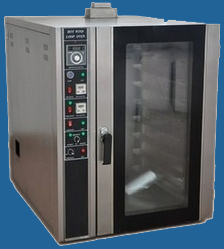
High quality baking oven
Thousands of satisfied clients
Very quick turnaround
Easy payment options

Tape Baking Prices            Audio Restoration Sound Restoration Services       tape shedding

Cassette Tape

10.00

1/4 inch reel

29.00

1/2 inch reel

39.00

1 inch reel

49.00

2 inch reel

59.00

We can Transfer your freshly baked cassette tapes or quarter inch tapes (Quarter Track or Two Track Masters to CD to preserve your recordings. We can do a Straight Transfer of the tape or we can also reduce or completely remove the tape hiss and cleanup other unwanted sounds (restoration), so your CD will sound better than the tape. Includes Indexing as well at no extra charge.


Straight Transfer

Restore and Transfer

Cassettes Up to 80 minutes of recording

15.95 per tape

20.95 per tape

Cassettes over 80 minutes of recording

18.95 per tape

23.95 per tape

Reel Tapes Up to 80 minutes of recording

24.95 per tape

29.95 per tape

Reel Tapes from 81 to 160 minutes (2 CD's)-

29.95 per tape

34.95 per tape

Reel Tapes from 161 to 240 minutes (3 CD's)-

34.95 per tape

39.95 per tape


Have a Question?  Click here to email us...
add keywords here


Order | Payment | Services | Contact | FAQ

© 1999-2012, Tape-Baking.com a division of Audio-Restorations.com


Why Tape Baking, more info...

Tapes can exhibit two different problems as a result of long term storage; binder breakdown and lubricant breakdown. Lubricant breakdown, which is fairly rare, leaves a white residue when the tape is run over the heads. Binder breakdown, the more common failure mode, leaves a dark, gummy residue, and is fixable by gentle heating ("baking") of the tape. Fixing lubricant breakdown requires careful cleaning of the tape and possibly applying fresh lubricant. Baking will not solve the lubricant breakdown problem and may make it worse.


Here's where the stickiness comes from. The binder is the chemical compound that holds the oxide particles together and sticks them to the tape backing. Under humid conditions (which means anything but controlled low-humidity storage), the polyurethane used in the binder has a tendency to absorb water. The water reacts with the urethane molecules, causing them to migrate to the surface of the tape where they gum up the tape path during playback.


Short strings of urethane molecules are particularly prone to water absorption, while long strings make the coating mixture too viscous to produce good tape. Middle-length strings are the best, but the tape manufacturers didn't know this at the time, and didn't always know what they were getting. In the case of Ampex tape, tapes most likely at risk are 406 and 456 manufactured from approximately 1975 through 1984. During those years, Ampex tested the goop they got from their binder suppliers simply by measuring viscosity. Unfortunately, the long and short strings average out, viscosity-wise, to a viscosity about the same as the ideal medium strings, so some tape was inevitability manufactured with an overly great proportion of short urethane strings in the binder. In the worst cases, as little as 3 days' exposure to 70% relative humidity can cause a tape to become gummy, but typically, it takes 2 to 15 years under normal, people-friendly ambient conditions. In 1984, Ampex started doing it's incoming inspection with a high pressure gas chromatograph (that's when it was invented), and was able to more accurately determine the molecular makeup of it's binder, and control production much more carefully. Better things for better living through chemistry.


The good news is that the "sticky shed syndrome" resulting from water absorption by the short urethane molecule chains is almost always fixable. The process for repair is commonly know as "baking a tape". The fix lasts about a month under normal storage conditions, and Ampex claims that a tape can be re-baked any number of times without ill effects.

Polyester Tape + Baking
Polyester or mylar based tape is opaque when held to the light and viewed from the side. Polyester tape will deform permanently before it breaks, so be careful not to stretch it. Acetate backed tape is transparent when viewed this way.
Generally, polyester tape has a superior tape base, and oxide/binder formulations have steadily improved over the years to prevent oxide from flaking off. With one big exception.


Serious problems occurred on tapes manufactured (mostly those made in the US) from roughly 1975 to 1985. The problem is known as "sticky shed syndrome" and arose when tape manufacturers were suddenly forced by the U.S.. government to abandon the use of a carcinogen in analog tape. Tape manufacturers hurriedly changed formulations during that period, and thus we face the problem today.

Tapes with "sticky shed syndrome" leave a waxy residue on rollers, heads and guides, which destroys high frequency response and can eventually cause a tape player to stop entirely.       

TOP         

Audio Restoration Sound Restoration Services
image